Why Regular Oil Changes Are Essential for Your Vehicle's Health
Your vehicle's engine is a complex machine with hundreds of moving parts working together at high speeds and temperatures. Just like your body needs blood to function, your engine needs oil to survive. Regular oil changes aren't just a recommendation—they're essential preventive maintenance that can mean the difference between a reliable vehicle and an expensive repair bill. Understanding why oil changes matter can help you appreciate this simple service that protects one of your most significant investments.
Many drivers view oil changes as just another expense or inconvenience, but this routine maintenance is actually one of the most cost-effective ways to extend your vehicle's lifespan and avoid major mechanical failures. The small investment of time and money for regular oil changes pays enormous dividends in engine longevity, fuel efficiency, and peace of mind. Let's explore exactly why this seemingly simple service is so critical to your vehicle's health and your wallet.
Think of engine oil as your vehicle's lifeblood—it circulates through the engine, performing multiple critical functions simultaneously. When you neglect oil changes, you're essentially asking your engine to operate without proper protection, leading to accelerated wear and potential catastrophic failure. The good news is that maintaining a regular oil change schedule is one of the easiest and most effective ways to keep your vehicle running smoothly for years to come.
1. Lubrication Prevents Catastrophic Engine Damage
The primary function of engine oil is to lubricate the hundreds of moving metal parts inside your engine, preventing them from grinding against each other. Inside your engine, pistons move up and down thousands of times per minute, the crankshaft rotates at incredible speeds, and countless other components operate in perfect synchronization. Without proper lubrication, these metal-on-metal contacts would generate excessive friction, producing extreme heat and causing rapid wear that could destroy your engine in a matter of minutes.
Fresh oil creates a thin protective film between these moving parts, allowing them to glide smoothly past each other without direct contact. This lubrication dramatically reduces friction and heat, which are the primary enemies of engine longevity. When you change your oil regularly, you ensure that this protective barrier remains effective, preventing the microscopic scratches and wear that accumulate over time and eventually lead to major engine problems.
As oil ages and accumulates contaminants, its lubricating properties deteriorate significantly. Old, dirty oil becomes thicker and less effective at flowing through tight engine passages and coating moving parts. This degradation means that even though you still have oil in your engine, it's no longer providing adequate protection. The result is increased friction, higher operating temperatures, and accelerated wear on critical engine components like bearings, camshafts, and cylinder walls.
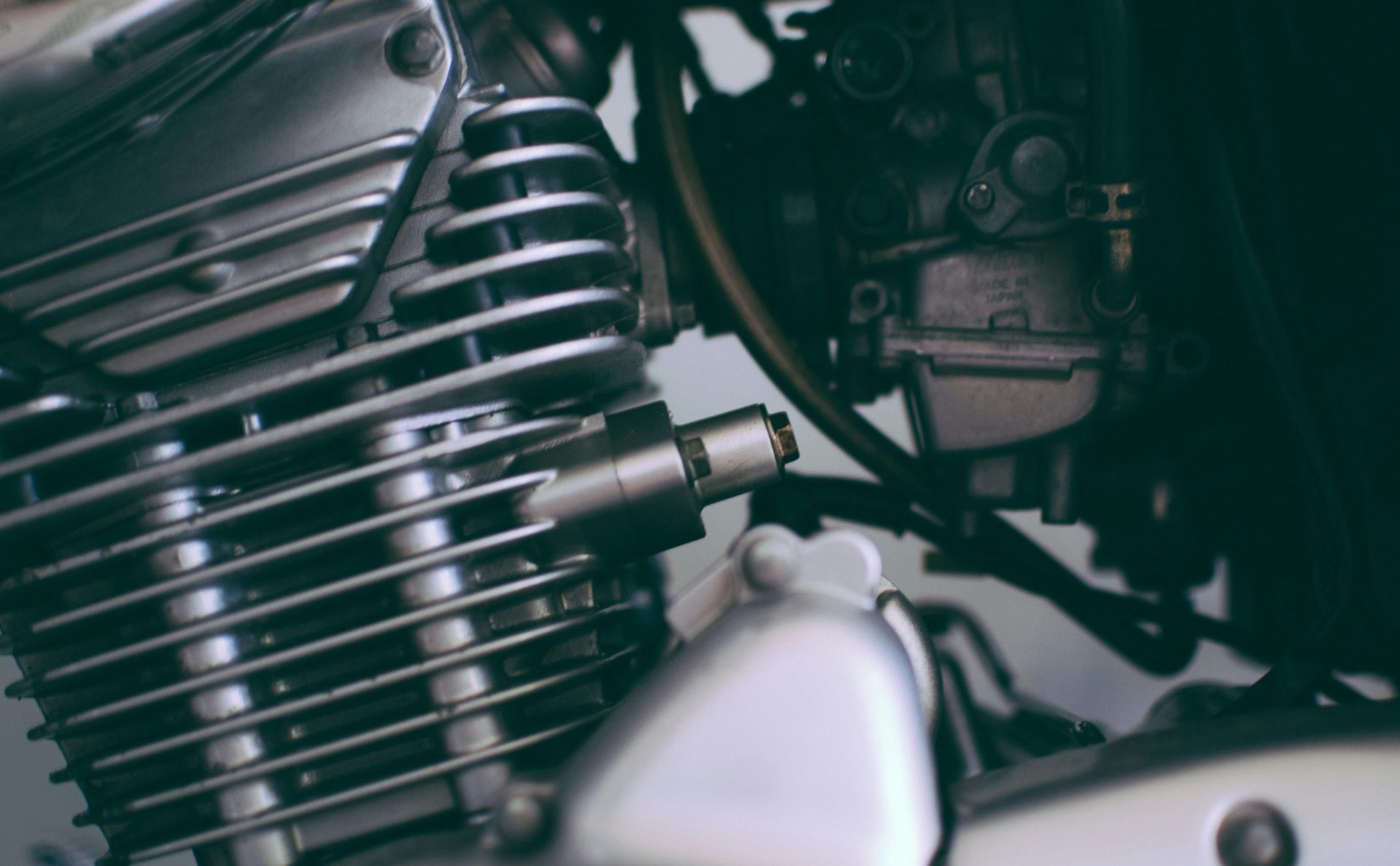
The consequences of inadequate lubrication can be severe and expensive. When engine parts begin to wear excessively, you might first notice subtle symptoms like unusual engine noises, reduced performance, or increased oil consumption. However, if left unaddressed, this wear can progress to complete engine seizure, where moving parts literally lock together due to friction and heat. Engine replacement or rebuilding can cost thousands of dollars—far more than a lifetime of regular oil changes. Have you been hearing any unusual sounds from your engine that might indicate lubrication issues?
2. Heat Management Keeps Your Engine Cool
While your cooling system handles the majority of engine heat management, engine oil plays a surprisingly important role in temperature regulation. As oil circulates through your engine, it absorbs heat from high-temperature areas like the combustion chamber, pistons, and cylinder walls, then carries this heat away to cooler parts of the engine and the oil pan where it can dissipate. This secondary cooling function is crucial for preventing hot spots that could damage engine components or cause pre-ignition problems.
Fresh oil is far more effective at heat absorption and transfer than degraded oil. As oil breaks down from heat and oxidation, its molecular structure changes, reducing its ability to carry heat away from critical components. This means that old oil not only fails to lubricate properly but also allows your engine to run hotter than designed, creating a vicious cycle where heat further degrades the oil's protective properties while simultaneously increasing engine wear.
Excessive engine heat can cause numerous problems beyond just accelerated wear. High temperatures can warp metal components, damage gaskets and seals, cause oil to burn off more quickly, and even lead to engine detonation or knocking. Modern engines run hotter and tighter tolerances than older designs, making proper heat management more critical than ever. Regular oil changes ensure that your engine has fresh oil with maximum heat-carrying capacity, helping maintain optimal operating temperatures and preventing heat-related damage.
3. Cleaning Action Removes Harmful Contaminants
Engine oil isn't just a lubricant—it's also a cleaning agent that constantly works to remove harmful contaminants from inside your engine. As your engine operates, it produces various byproducts including microscopic metal particles from normal wear, carbon deposits from combustion, dirt that enters through the air intake, and acids formed when combustion gases mix with moisture. These contaminants, if left to accumulate, would form sludge and deposits that clog oil passages, restrict flow, and cause significant damage to engine components.
Fresh oil contains special detergent and dispersant additives designed to suspend these contaminants and prevent them from settling on engine surfaces. These additives work continuously to keep particles floating in the oil so they can be trapped by the oil filter rather than forming harmful deposits. When you change your oil, you're not just replacing the lubricant—you're also removing all the contaminated oil containing these accumulated particles and byproducts, giving your engine a fresh start with clean oil and a new filter.
Over time and miles, even the best oil becomes saturated with contaminants until it can no longer hold more. At this point, particles begin depositing on engine surfaces, forming sludge in the oil pan, passages, and valve covers. This sludge restricts oil flow, blocks passages, and can even cause complete oil starvation in extreme cases. Regular oil changes prevent this buildup by removing contaminated oil before it reaches saturation point, keeping your engine internally clean and ensuring unrestricted oil flow to all components.

The filter plays an equally important role in this cleaning process, trapping contaminants as oil circulates through it. However, filters have limited capacity and eventually become clogged or bypass when they can no longer trap more particles. Changing your filter with every oil change ensures maximum filtration efficiency and prevents contaminated oil from circulating back through your engine. A clean filter working with fresh oil provides the best protection against the cumulative damage that contaminants can cause.
4. Improved Fuel Efficiency Saves You Money
Regular oil changes directly impact your vehicle's fuel economy in ways that might surprise you. Fresh oil with proper viscosity reduces internal engine friction, allowing your engine to operate more efficiently and require less energy to maintain speed or accelerate. This reduced friction translates directly into improved gas mileage, meaning you'll visit the pump less frequently and save money on fuel. Studies have shown that fresh oil can improve fuel economy by up to two percent compared to degraded oil—savings that add up significantly over time.
As oil breaks down and becomes contaminated, it thickens and loses its ability to flow smoothly through the engine. This increased viscosity forces your engine to work harder to circulate the oil, essentially creating internal resistance that wastes energy and burns extra fuel. Think of it like trying to pump honey versus water through a straw—the thicker substance requires much more effort. Your engine experiences this same increased workload when operating with old, degraded oil, directly impacting fuel efficiency and costing you money at every fill-up.
The cumulative fuel savings from regular oil changes can actually offset a significant portion of the maintenance cost. If improved fuel economy saves you even a few dollars per tank, and you fill up once or twice weekly, those savings add up to hundreds of dollars annually. When you factor in the extended engine life and reduced repair costs, regular oil changes become one of the best financial investments you can make in your vehicle. It's a perfect example of how spending a little money on preventive maintenance saves you much more in the long run.
5. Extended Engine Life Protects Your Investment
Perhaps the most compelling reason for regular oil changes is the dramatic impact they have on engine longevity. Engines that receive consistent oil changes at recommended intervals routinely last 200,000 miles or more, while those with neglected maintenance often fail well before reaching 100,000 miles. This difference represents not just years of additional service but potentially tens of thousands of dollars in avoided replacement or major repair costs. Your vehicle is likely one of your largest financial investments, and regular oil changes are the single most effective way to protect that investment.
The cumulative effect of proper lubrication, heat management, and cleanliness over tens of thousands of miles cannot be overstated. Each oil change removes contaminated oil and replaces it with fresh protection, preventing the gradual accumulation of wear and damage that eventually leads to engine failure. Think of it as compound interest in reverse—small amounts of prevented wear at each oil change add up to massive differences in total engine longevity. Engines are designed to last, but only if they receive the maintenance they need to operate within their design parameters.
Beyond just avoiding catastrophic failure, regular oil changes maintain your engine's performance characteristics throughout its life. Engines with consistent maintenance retain their power output, maintain smooth operation, and continue running quietly year after year. Neglected engines, even if they don't completely fail, often develop issues like decreased power, rough idling, excessive noise, and increased oil consumption—all symptoms of accumulated wear that diminishes the driving experience and vehicle value. Proper maintenance preserves not just the engine's function but also your enjoyment of the vehicle.

The resale value of your vehicle also benefits significantly from documented regular maintenance. Potential buyers recognize that a vehicle with complete service records and regular oil changes is far less risky than one with unknown or spotty maintenance history. This translates directly into higher resale values and faster sales when you're ready to upgrade. The relatively small investment in regular oil changes pays dividends not just in longevity and reliability but also in maintaining your vehicle's market value throughout your ownership.
How Often Should You Change Your Oil?
The frequency of oil changes depends on several factors including your vehicle's age, the type of oil used, your driving conditions, and manufacturer recommendations. Modern vehicles using synthetic oil can often go 7,500 to 10,000 miles between changes, while older vehicles or those using conventional oil typically need changes every 3,000 to 5,000 miles. However, these are general guidelines—your owner's manual contains the specific recommendations for your vehicle based on the manufacturer's engineering and testing.
Driving conditions significantly impact how often you should change your oil. If you frequently drive in "severe" conditions—which include short trips, stop-and-go traffic, extreme temperatures, dusty environments, or towing—you should change your oil more frequently than the standard interval. These conditions stress your oil more than highway driving, causing it to degrade faster and accumulate contaminants more quickly. Many manufacturers provide different maintenance schedules for normal versus severe driving conditions, and most drivers actually fall into the severe category even if they don't realize it.
Rather than relying solely on mileage or time intervals, pay attention to your oil's condition and your vehicle's behavior. Many modern vehicles have oil life monitoring systems that analyze driving conditions and alert you when oil change is needed based on actual usage rather than just mileage. If your vehicle doesn't have this feature, checking your oil regularly allows you to assess its color and level—very dark or gritty oil indicates it's time for a change regardless of mileage. Unusual engine noises, decreased performance, or the oil pressure warning light are all signs that immediate oil service is needed.
Conclusion: Small Investment, Massive Returns
Regular oil changes represent one of the simplest, most cost-effective forms of vehicle maintenance, yet they provide disproportionate benefits in terms of engine protection, longevity, and performance. The relatively small investment of time and money for this routine service prevents exponentially more expensive repairs, improves fuel economy, maintains vehicle value, and gives you peace of mind knowing your engine is properly protected. When you consider that engine replacement can cost $4,000 to $10,000 or more, while a lifetime of oil changes might cost just a few thousand dollars, the value proposition becomes crystal clear.
Don't view oil changes as an optional expense or something you can postpone indefinitely. Instead, recognize them as essential preventive maintenance that protects your significant investment in your vehicle. Whether you change your own oil or have a professional service center handle it, maintaining a regular schedule based on your vehicle's requirements is one of the smartest decisions you can make as a vehicle owner. Your engine will reward you with years of reliable service, and your wallet will thank you for avoiding the catastrophic costs of neglected maintenance.
Make your next oil change a priority, establish a regular maintenance schedule, and stick to it regardless of how busy life gets. Keep records of all your oil changes to track maintenance history and demonstrate proper care if you ever sell the vehicle. This simple habit of regular oil changes, combined with other routine maintenance, ensures that your vehicle remains reliable, efficient, and valuable throughout your ownership. It's a small commitment that pays enormous dividends in automotive health and financial savings.
Recent Posts